
Schedule your initial consultation today and start your journey towards a pain-free, healthier smile. Contact us now!
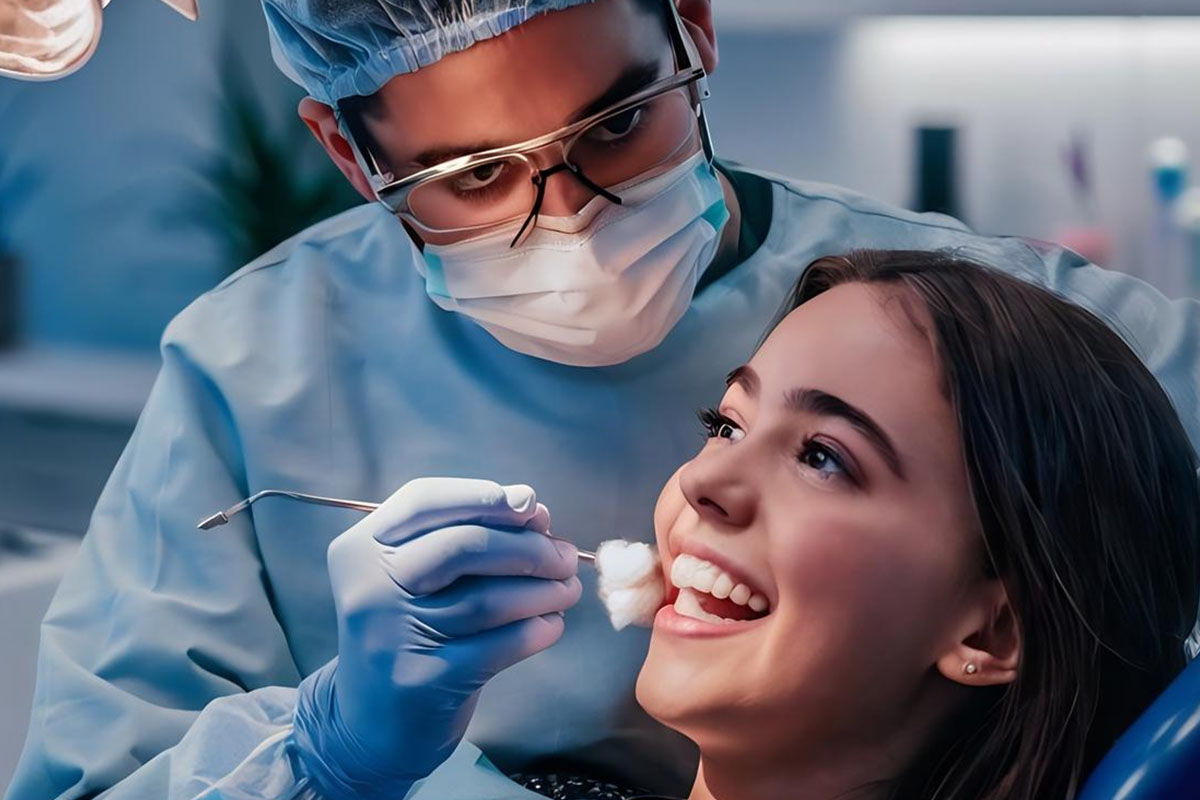
Missing teeth can have a noticeable impact on your everyday life. It may affect how you eat, speak, and even how confident you feel when interacting with others. Over time, gaps in your smile can also influence your overall oral health. At Occlura Dental, we provide dental implants in Woodbridge as a long-term solution designed to restore both function and appearance in a way that feels natural and comfortable.
Our goal is not just to replace missing teeth, but to help patients regain confidence and maintain a healthy, balanced smile. With a focus on precision, comfort, and personalized care, dental implants offer a dependable approach to tooth replacement.
Dental implant treatment at Occlura Dental is provided by Dr. Bahar Beigi, who is registered with the Royal College of Dental Surgeons of Ontario as a general dentist, not a specialist.
Every patient’s needs are unique, which is why treatment begins with a detailed consultation. At Occlura Dental, we take time to understand your goals, concerns, and oral health conditions before recommending any procedure.
During this stage, we may use digital imaging and perform a thorough examination of your gums, jawbone, and overall dental health. This allows us to create a customized treatment plan tailored specifically to you. Our approach focuses on clarity and comfort, ensuring you understand each step before moving forward.
The dental implant process is completed in stages to ensure long-term success. Each phase is carefully planned and performed with attention to detail.
Your dentist evaluates your oral health and determines whether dental implants are the right solution. A detailed plan is created to guide the treatment process.
The implant is placed into the jawbone using precise techniques. This step creates the foundation for the replacement tooth.
Over the next few months, the implant integrates with the bone in a process known as osseointegration. This step is essential for creating a stable and lasting result.
Once healing is complete, a custom crown is attached to the implant. The crown is designed to match the colour and shape of your natural teeth. Although the process requires time, each stage plays an important role in achieving a durable and natural outcome.
Even if additional preparation is needed, such as bone support treatments, there may still be options available. A consultation helps determine the best path forward based on your individual needs.
We understand that dental procedures can feel overwhelming for many patients. At Occlura Dental, we prioritize comfort at every stage of treatment. Our team uses modern techniques and a gentle approach to help create a positive experience.
Clear communication is an important part of this process. We take time to answer your questions and ensure you feel informed before making any decisions.
Proper chewing function is restored, supporting better nutrition and overall health. Surrounding teeth also benefit, as implants prevent neighbouring teeth from shifting into empty spaces. Over time, this contributes to improved oral stability and reduces the likelihood of additional dental concerns.
Caring for dental implants is similar to maintaining natural teeth. Daily brushing, flossing, and regular dental check-ups are essential for keeping your implants and surrounding gums healthy.
Unlike removable dentures, implants do not require special cleaning solutions or removal. With consistent care, they can remain a dependable part of your smile for many years.
One of the most appreciated benefits of dental implants is how natural they feel once fully healed. Because they are anchored in the jawbone, they function like real teeth and provide a level of comfort that many patients find reassuring.
The custom crown is designed to match your existing teeth, helping your smile appear balanced and natural. Most people will not be able to tell the difference between an implant and a natural tooth.
Choosing a tooth replacement option is a personal decision that should be based on clear information and professional guidance. Dental implants in Woodbridge offer a long-term approach that focuses on both function and appearance. Understanding the process, benefits, and care involved can help you feel more confident about your choice. Our team is here to support you with honest advice and personalized recommendations.
If you are considering dental implants in Woodbridge, the first step is a consultation. This allows us to evaluate your needs, answer your questions, and guide you toward the best solution for your smile. At Occlura Dental, we are committed to providing care that is focused on comfort, quality, and long-term results.
Call us (905) 851-0075 today or request an appointment to begin your journey toward a restored smile.

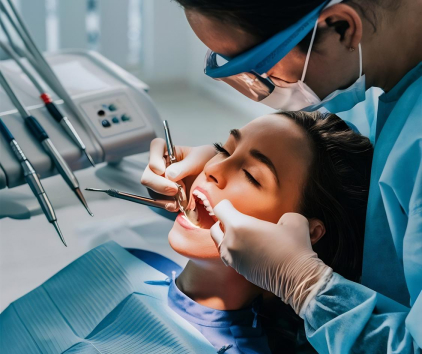
Our Woodbridge dentists will examine your general dental health, gums, and jawbone, and determine if dental implants are right for you. This can include X-rays of your head, jaw, and teeth.
Using sedation or local anesthesia, our Periodontist will drill a hole in the jawbone to place the dental implant. The gum is secured back over the implant until the implant fuses to the bone (Osseointegration). This can take between three and six months for complete fusion and healing.
Once the dental implant is healed, a post (Abutment) is added as an extension of the implant, which connects the artificial tooth to the root.
Dental implant costs depend on a few key factors — the number of implants needed, the complexity of your case, and the type of crown or prosthetic used. Because every patient's situation is different, the best way to get an accurate number is through a personalized consultation.
What we can say with confidence is that dental implants are one of the smartest long-term investments you can make in your oral health. Unlike dentures or bridges that may need to be replaced or adjusted over time, implants are built to last — often for decades with proper care — making them the most cost-effective tooth replacement option in the long run.
Ready to find out what's right for your budget? Contact Occlura Dental at (905) 851-0075 or email care@occluradental.com to book your consultation.
Some dental insurance plans cover implants. Refer to your information package provided by your insurance company or call their customer service line. Alternately, our friendly receptionist can help determine your dental implant insurance coverage.
No, not all dentists can perform dental implants. This is a specialized surgery, and many dentists may refer you to an oral surgeon who has specialized training and coursework. At Occlura dental in Woodbridge, Dr. Bahar Beigi is our primary dentist. She specializes in treatment planning and dental implant surgery.
It's natural to feel nervous about dental implant surgery, especially knowing the procedure involves the jawbone. The good news is that most patients are surprised by how manageable the experience actually is. At Occlura Dental, we offer local anesthesia and sedation dentistry tailored to your comfort level, so you can feel at ease throughout the entire process.
After the procedure, some mild side effects are normal as your body begins to heal:
These symptoms typically ease within a few days. Most patients find it comfortable to stick to soft foods for 10–14 days while the gums recover, after which they gradually return to their normal diet.
Call on : +1 (905) 851-0075
Tue & Thu : 9 AM To 5 PM
Sat : 10 AM To 3 PM
Closed Mon, Wed, Fri & Sun
Occlura Dental · Unit 10, 136 Winges Road, Woodbridge (Vaughan), ON L4L 6C4 · (905) 851-0075
Free parking right outside the door · CDCP and most insurance plans accepted