
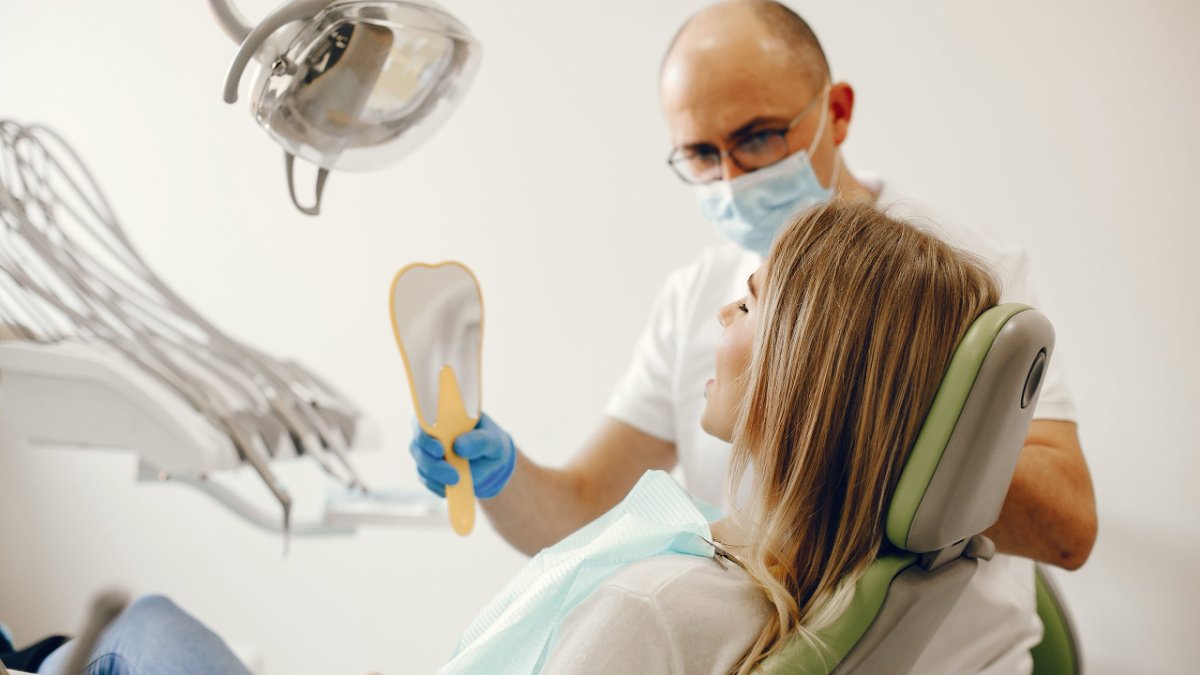
Teeth Cleaning and Dental Hygiene in Woodbridge
A professional cleaning removes the plaque and hardened tartar that brushing and flossing cannot reach, particularly along the gum line and between the back teeth. It is the appointment most people come in for, and it is usually where problems get spotted early — while they are still small, painless and inexpensive to deal with.
What happens at a cleaning appointment
Your visit normally covers four things:
- An examination — a look at your teeth, gums, bite and soft tissues, with X-rays if they are needed.
- Scaling — removing plaque and tartar from the tooth surfaces and just below the gum line.
- Polishing — smoothing the surfaces so plaque takes longer to build up again.
- A conversation — what we found, whether anything needs watching, and what would help at home.
Most appointments take about an hour. If you have not been seen for a while, or there is a lot of build-up, we may suggest splitting the work across two visits so nothing is rushed.
How often should you come in?
Every six months suits most adults, but it genuinely varies. Someone with healthy gums and no history of decay may be fine once a year. Someone who smokes, has gum disease, wears braces, or has a dry mouth from medication may do better every three or four months. We will tell you what we think is right for you and why, rather than applying the same interval to everybody.
Signs you should not wait for your next check-up
- Gums that bleed when you brush or floss
- Persistent bad breath or a bad taste that does not shift
- Gums that look red, swollen, or are pulling away from the teeth
- Teeth that feel loose or have started to shift
- Sensitivity to hot or cold that is new or getting worse
Bleeding gums in particular are worth acting on. Gum disease is common, it is largely painless in its early stages, and it is far easier to reverse early than to treat once it has damaged the bone that holds your teeth in place.
Coverage
We accept the Canadian Dental Care Plan and most insurance plans, and we will explain what your coverage includes before any treatment begins. If you are not sure what you are covered for, bring the details with you or ask when you book and we will check.
Booking a cleaning
Call us on (905) 851-0075 or use the form on this page and we will call you back to agree a time. Please allow at least two days’ notice. We are open Tuesday and Thursday from 9 AM to 5 PM and Saturday from 10 AM to 3 PM.
Frequently Asked Questions
A cleaning visit normally covers four things: an examination of your teeth, gums and bite; scaling to remove plaque and hardened tartar that brushing and flossing cannot reach, particularly along the gum line and between the back teeth; polishing; and a conversation about anything we found.
Every six months suits most people, but the right interval depends on your gum health, how quickly tartar builds up, and whether anything in your medical history affects your gums. Dr. Beigi will suggest an interval based on what she sees.
Most people find it uncomfortable at worst rather than painful. If your gums are inflamed, or you have sensitive areas or exposed roots, parts of the visit can be tender — tell us during the appointment and we will work around it.
No. Bleeding gums, persistent bad breath, new sensitivity to hot or cold, or a change in how your bite feels are all reasons to come in sooner. Problems found early are usually smaller and simpler to treat.
We accept the Canadian Dental Care Plan, IFHP refugee coverage and most private insurance plans. How much is covered, and how often, depends on your individual plan. We check your coverage and explain what to expect before treatment begins.