
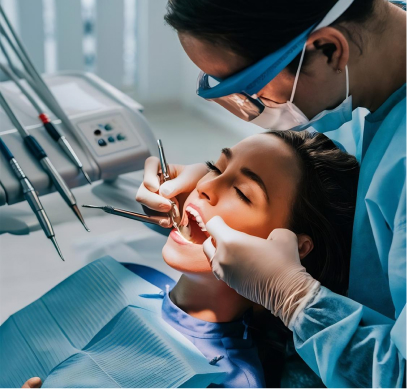
Root canal treatment is designed to save an infected or damaged tooth while relieving pain and protecting your oral health. After the procedure, many patients wonder what they should do next, how long recovery takes, and what symptoms are considered normal. Understanding the proper aftercare steps can help your tooth heal comfortably and reduce the risk of future complications.
While most patients recover smoothly, taking care of the treated tooth is important during the first few days. Following your dentist’s instructions, maintaining good oral hygiene, and avoiding certain habits can make a significant difference in your recovery experience.
If you recently received a root canal in Woodbridge, this guide explains what to expect and how to care for your tooth afterward.
What Happens After a Root Canal?
During root canal treatment, the infected pulp inside the tooth is removed, the canals are cleaned, and the tooth is sealed. Since the infection and inflamed tissue are eliminated, many patients experience relief from severe pain almost immediately.
However, mild discomfort or sensitivity after treatment is normal. The surrounding tissue near the tooth may remain irritated for a few days because the area has recently been treated.
In most cases, recovery is manageable with simple aftercare steps and temporary dietary adjustments.
What You Should Do Immediately After a Root Canal
1. Wait Until the Numbness Wears Off
Local anesthesia used during the procedure may keep your mouth numb for several hours. Avoid chewing food until normal feeling returns. Accidentally biting your cheek, tongue, or lips can cause unnecessary injury.
2. Take Medications as Directed
Your dentist may recommend over-the-counter pain medication or prescribe antibiotics depending on the severity of the infection. Follow all instructions carefully and complete the full course of antibiotics if prescribed.
Medication can help reduce inflammation and make the recovery process more comfortable.
3. Avoid Hard or Sticky Foods
The treated tooth may feel sensitive for a short period. Therefore, it is best to avoid hard, crunchy, or sticky foods immediately after treatment.
Foods to avoid temporarily may include:
- Hard candies
- Nuts
- Ice
- Chewing gum
- Sticky caramel
- Crunchy chips
Instead, choose softer foods such as soup, yogurt, rice, eggs, pasta, smoothies, or mashed vegetables.
How Long Does Root Canal Recovery Take?
Most patients recover within a few days. Mild tenderness while chewing may continue temporarily, especially if the tooth was badly infected before treatment.
Recovery time depends on several factors, including:
- The severity of the infection
- The location of the tooth
- Your oral hygiene habits
- Whether a crown is needed afterward
If pain becomes severe, swelling increases, or symptoms continue for longer than expected, you should contact your dentist for evaluation.
How to Care for Your Tooth After a Root Canal
Maintain Good Oral Hygiene
Even after root canal treatment, maintaining proper oral hygiene remains essential. Brush your teeth gently twice daily and floss carefully around the treated area.
Keeping the area clean helps prevent bacteria from affecting nearby teeth or gums.
Avoid Chewing on the Treated Tooth
If your permanent crown has not yet been placed, avoid putting excessive pressure on the treated tooth. The temporary filling used after treatment may not be as strong as the final restoration.
Your dentist may recommend returning for a dental crown to fully protect the tooth.
Attend Follow-Up Appointments
Follow-up visits are important after a root canal in Woodbridge. Your dentist will check healing progress and determine whether additional restoration, such as a crown, is necessary.
Skipping follow-up care can increase the risk of reinfection or tooth damage.
Is Pain After a Root Canal Normal?
Some mild discomfort after treatment is completely normal. Since the surrounding tissues may still be inflamed, sensitivity can continue temporarily.
Common normal symptoms include:
- Mild soreness
- Sensitivity when chewing
- Tenderness near the tooth
- Slight gum irritation
However, severe throbbing pain, swelling, or fever should not be ignored.
When Should You Contact Your Dentist?
You should contact your dentist if you experience:
- Severe or worsening pain
- Swelling that increases
- Difficulty biting
- Fever
- Pus or discharge near the tooth
- A cracked temporary filling
These symptoms may indicate additional infection or complications requiring further attention.
Can You Eat Normally After a Root Canal?
Yes, but it is best to return to normal eating gradually. Soft foods are usually recommended during the first day or two.
Once discomfort improves and the permanent restoration is completed, most patients can eat normally again.
Why Dental Crowns Are Often Recommended
After a root canal, the treated tooth may become more fragile over time because the inner pulp has been removed. A dental crown helps strengthen and protect the tooth from cracking.
Molars and back teeth especially benefit from crowns because they handle greater chewing pressure.
Your dentist will determine whether a crown is necessary based on the condition and location of the tooth.
Can a Root Canal Fail?
Root canal treatment has a high success rate. However, in some situations, reinfection can occur. This may happen if:
- The tooth develops a new cavity
- The restoration becomes damaged
- Bacteria re-enter the canals
- A crack forms in the tooth
Routine dental visits and proper oral hygiene help reduce these risks.
How to Prevent Future Root Canal Problems
Preventing dental infections is always better than treating them later. Healthy habits can help protect your teeth long term.
Helpful prevention tips include:
- Brushing twice daily
- Flossing regularly
- Visiting your dentist for checkups
- Treating cavities early
- Wearing a night guard if you grind teeth
- Avoiding excessive sugar intake
Early dental care can often prevent infection from reaching the inner tooth pulp.
Root Canal Treatment Helps Save Natural Teeth
Many people believe tooth extraction is easier than a root canal. However, preserving your natural tooth is usually the preferred option whenever possible.
A root canal allows patients to:
- Keep their natural tooth
- Maintain normal chewing ability
- Protect jaw alignment
- Avoid gaps in the smile
- Reduce the need for tooth replacement options
Modern root canal procedures are safe, effective, and designed to improve comfort while preserving oral health.
Professional Root Canal Care in Woodbridge
If you recently had treatment or are experiencing symptoms of an infected tooth, professional dental care is important. At Occlura Dental, patients can receive evaluation and treatment recommendations for infected or damaged teeth.
Whether you need follow-up care or are considering a root canal in Woodbridge, timely treatment can help protect your oral health and prevent future complications.
Frequently Asked Questions
How long should pain last after a root canal?
Mild soreness may last a few days. However, severe or worsening pain should be evaluated by a dentist.
Can I eat after a root canal?
Yes, but it is best to wait until the numbness wears off and begin with soft foods.
Do I always need a crown after a root canal?
Not every tooth requires a crown, but many back teeth benefit from one for added strength and protection.
What should I avoid after root canal treatment?
Avoid hard foods, chewing on the treated tooth, smoking, and delaying follow-up care.
Can a treated tooth become infected again?
Although uncommon, reinfection can happen if bacteria re-enter the tooth through damage or decay.